Table of Content
Our device is one of very few FDA-Cleared, drug-free options. For an obvious reason, there is no point in using navigation for targeted treatment when the coil is stimulating broadly. With this self-directed, one-size-fits-all treatment, you position an elastic band around your forehead that holds an electrode firmly against each temple. Paula's Choice facial exfoliants are gentler on delicate skin of the face & neck than an abrasive face scrub, which can cause micro-tears. A BHA leave-on exfoliator delivers hydration & can exfoliate directly inside the pore & improve how the pore works.

The Transcranial Magnetic Stimulation Treatment Program at The University of Pennsylvania offers a non-invasive, outpatient-based form of brain stimulation therapy for mood disorders. TMS has proven effectiveness as a treatment for depression and is approved by the US Food and Drug Administration . TMS is a safe procedure and lacks side effects that are common with antidepressants and other psychopharmacologic agents.
TMS Therapy Vs. Fisher Wallace
NeuroStar resisted iTBS for a while before finally accepting reality. NeuroStar doesn’t have a navigation system to ensure the placement of the coil. Instead, NeuroStar has a "Contact Sensing" that will alert the treater if contact was lost. Neuronetics has a pay-per-use business model, meaning the TMS clinic has to pay a fee for every TMS session.

Like TMS, tDCS should be used as part of a more comprehensive treatment program that involves both clinical and at-home approaches. The first session is little longer since it also involves identifying the right dose and location of magnetic energy. An electromagnetic coil will be placed against your head. September was Prostate Cancer Awareness Month and we participated in numerous events in partnerships with hospitals to raise awareness of Focal One Robotic HIFU to more patients.
Welcome to Penn's TMS Treatment Program
Doctors believe that this treatment may be effective in reducing symptoms of depression by altering brain activity. TDCS is a form of brain stimulation that uses a low-strength electric current to help activate the brain cells in specific areas of the brain. TDCS has been used to treat depression for decades and should not be confused with electroconvulsive or ‘electroshock’ therapy . The tDCS current (0,5-2 mA) is 400 times weaker than the current used in electroconvulsive therapy and gives less severe and fewer side effects than antidepressant medication.
Any questions about our product, please contact us and we will reply within 24 hours. Research is currently underway on using rTMS to treat other conditions such as Alzheimer's disease and Parkinson's disease. When a current is passed through a magnetic field, a small electric field is generated. This electric field can then influence the electrical activity of the brain.
Transcranial Magnetic Stimulation (TMS Therapy) Providers at Rush
~ 5 MIN READ This article will discuss the use of TMS therapy or Transcranial Magnetic Stimulation in treating insomnia and other sleep disorder. The device utilizes magnetic fields to generate localized electrical currents in neurons just a few centimeters below the scalp, creating depolarizing and normalizing effects. Localized brain stimulation impacts neural plasticity, activates compensatory processes, and influences cortical excitability. Additionally, rTMS has been used in various clinical trials to study and treat neurological and psychiatric disorders such as anxiety, post-traumatic stress disorder , epilepsy.

However, if your depression improves with rTMS, and then later you have another episode of symptoms, your rTMS treatment can be repeated. It's not yet known if maintenance rTMS sessions will benefit your depression. This involves continuing treatment when you are symptom-free with the hope that it will prevent the return of symptoms. You have other mental health disorders, such as substance misuse, bipolar disorder or psychosis. There are different ways to perform the procedure, and techniques may change as experts learn more about the most effective ways to perform treatments. Esketamine depression treatment is a fast, effective, and safe treatment for depression.
Are There Any Side Effects?
It uses an F8 coil that is oil cooled, which means effective cooling and relatively quiet stimulation. The coil is permanently attached to the stimulator structure. This means less risk of leaks and potential low maintenance. On the other hand, it means you can’t add different coils for other indications. But currently, Blossom is FDA cleared for 10 Hz rTMS only. I understand that they are working on another upgraded TMS system with more indications.

Simulation of a transcranial magnetic stimulation therapy session at Beth Israel Hospital in Boston. Learn more about future alternatives like Psilocybin and MDMA. They are in the US as a branch of a parent company in Germany. I had a virtual demo of the device, so my opinion will probably mature once I have hands-on experience with it.
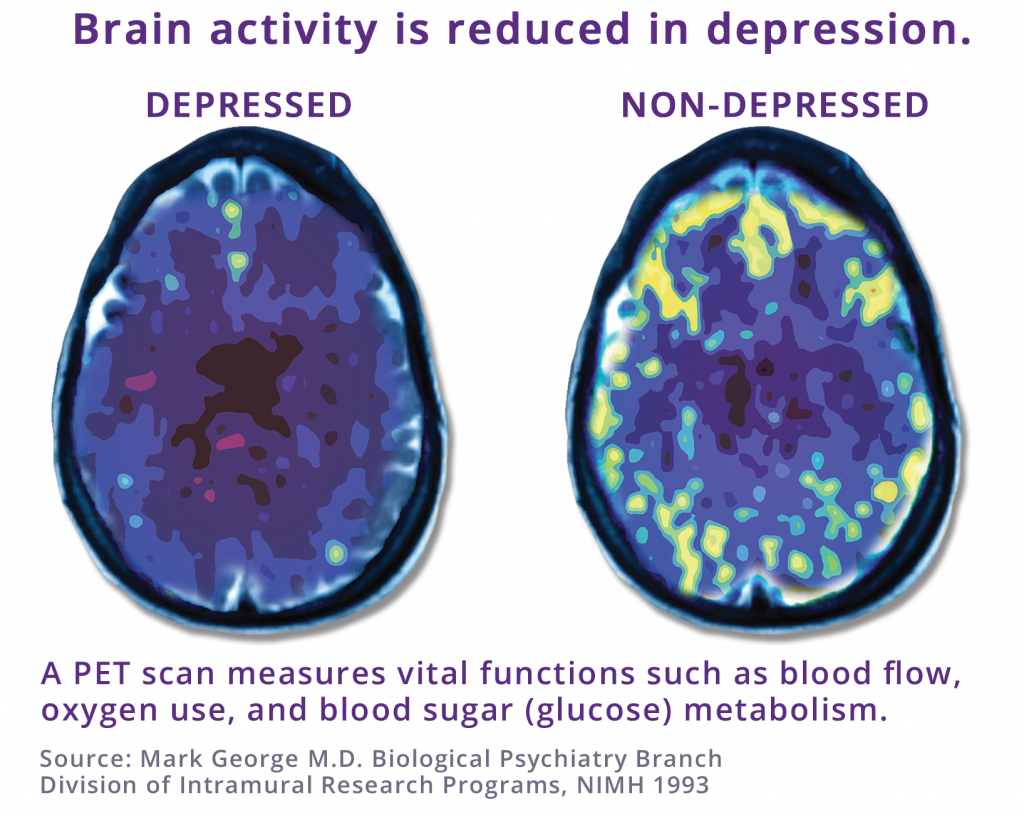
Just imagine practicing kicking a football or practicing a golf swing 150,000 times, you would become very skilled. In depression, the brain has significantly less activity in the frontal lobe and limbic system. In depression you could say the limbic system is way out of practice. The app will show you how to put your headset on and how to start the stimulation. If you want to view a timeline of tDCS history, including the most important scientific discoveries since ancient times, click here.
Repetitive TMS is usually done in the doctor's office or clinic. The procedure was developed by Canadian psychiatrist John O'Neill who first proposed it in 1980 as a treatment for depression. People who experience psychological problems such as depression or anxiety are more likely to seek out TMS therapy than people who are otherwise healthy. They do so because they believe the treatment will help them feel better about themselves or reduce their anxiety levels.


No comments:
Post a Comment